Why Is On-Site Waste Management Important in Construction Projects in Valletta?
Effective construction waste management is essential in a historic and densely built city like Valletta, where space is limited and environmental responsibility is critical. Proper on-site waste segregation ensures that materials are handled efficiently, sustainably, and in compliance with environmental standards.
Without structured waste management, construction activity can lead to unnecessary landfill use, contamination of recyclable materials, and increased environmental impact. With it, projects become cleaner, safer, and more sustainable.
Why Is Waste Segregation at Source So Important?
The most effective construction and demolition waste management begins on-site. Separating materials at the point of generation prevents contamination and significantly increases recycling and recovery rates.
Guidance from environmental authorities such as the Environment and Resources Authority (ERA) supports this approach, encouraging contractors to reduce waste sent to landfill and prioritise reuse and recycling wherever possible.
What Types of Waste Are Separated On-Site?
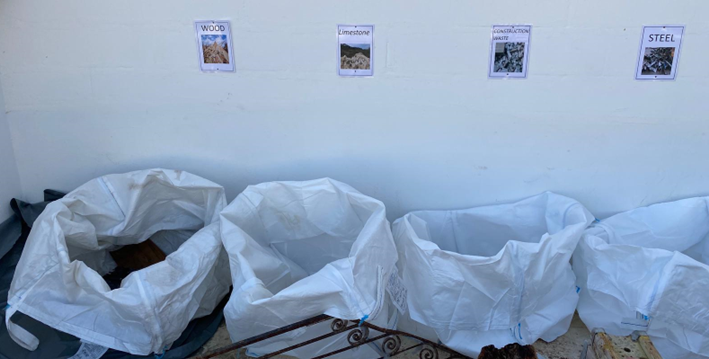
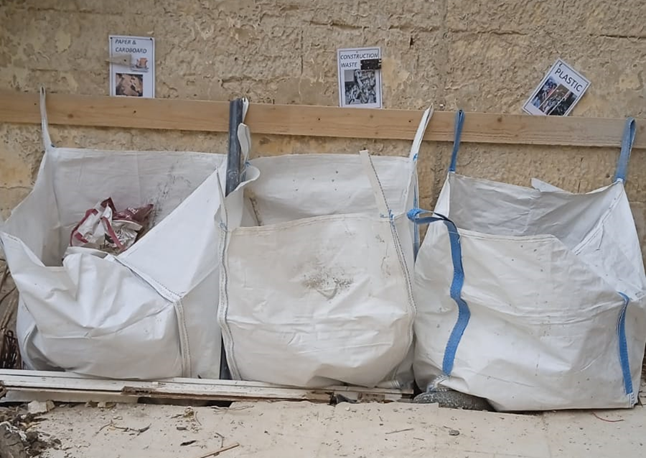
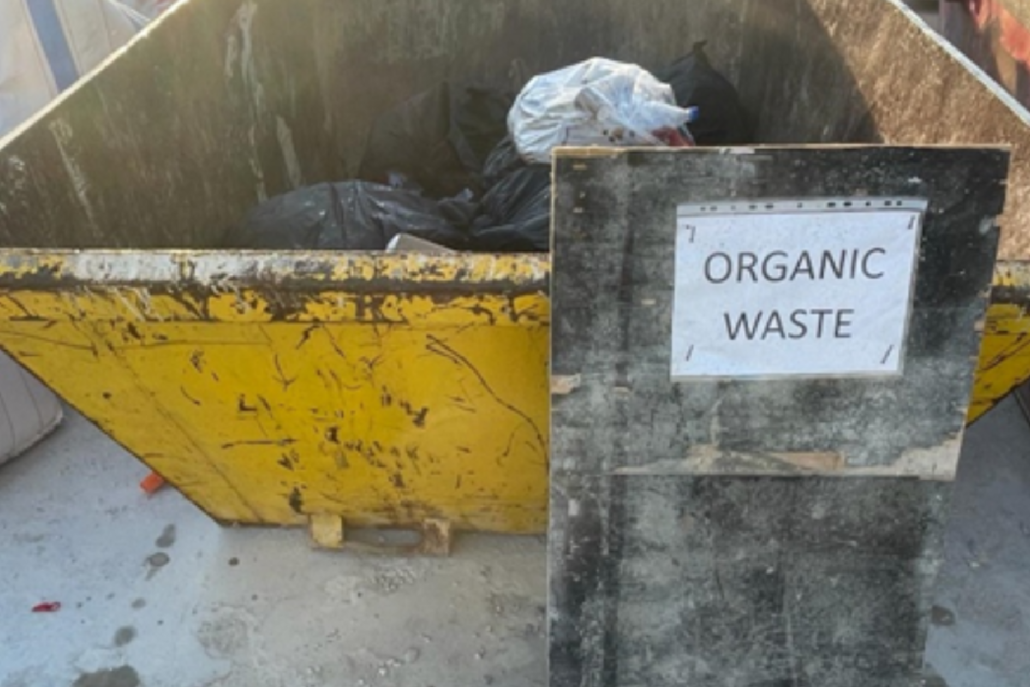
On AX Construction projects, materials are typically sorted into clearly defined categories:
- Wood waste – timber, formwork, and pallets that can often be reused or recycled
- Limestone waste – locally sourced material that may be reclaimed or repurposed
- Plastic waste – packaging and protective materials sent for recycling
- Organic waste – small-scale biodegradable site waste
- General construction waste – non-recoverable mixed materials for authorised disposal
This structured approach improves efficiency and supports better environmental outcomes.
Can Construction Materials Be Reused Instead of Disposed Of?
Yes, and this is a key part of sustainable construction in Malta.
Where possible, materials are recovered and reused on other projects instead of being discarded. This includes reclaimed limestone, reusable timber, and suitable construction components.
This reduces demand for new raw materials, lowers environmental impact, and supports a more circular construction process.
How Is Construction Waste Properly Disposed Of?
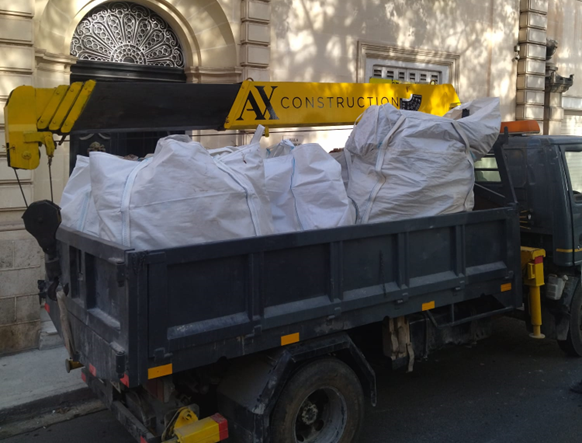
Materials that cannot be reused are transported to authorised facilities in line with Malta’s construction waste regulations.
This ensures:
- Compliance with environmental requirements
- Safe handling of non-recyclable materials
- Reduced environmental pollution
- Increased recycling across the sector
Why Is This Especially Important in Valletta?
In a historic city like Valletta, where streets are narrow and surroundings are heritage-sensitive, poor on-site waste management can quickly become disruptive.
Effective segregation and controlled waste handling ensure that construction activity:
- Minimises disruption to residents and businesses
- Protects historic surroundings
- Maintains clean and safe public spaces
- Supports responsible urban development
How Does AX Construction Manage Waste On-Site?
At AX Construction, responsible construction practices include strict waste segregation, material reuse where possible, and compliant disposal methods across all projects.
This ensures that every site is managed efficiently while supporting sustainability and environmental responsibility in both heritage and modern developments.
How Does Waste Management Support Sustainable Construction in Malta?
Strong construction waste management reduces environmental impact, improves resource efficiency, and supports long-term sustainability goals in Malta’s construction industry, particularly in sensitive urban areas like Valletta.
Get in Touch
Planning a project in Malta and looking for a contractor committed to responsible waste management and sustainable construction?
Contact AX Construction:
📞 +356 2258 4900
✉️ info@axconstruction.mt